
Home
September 27, 2024 2024-09-28 13:00Home
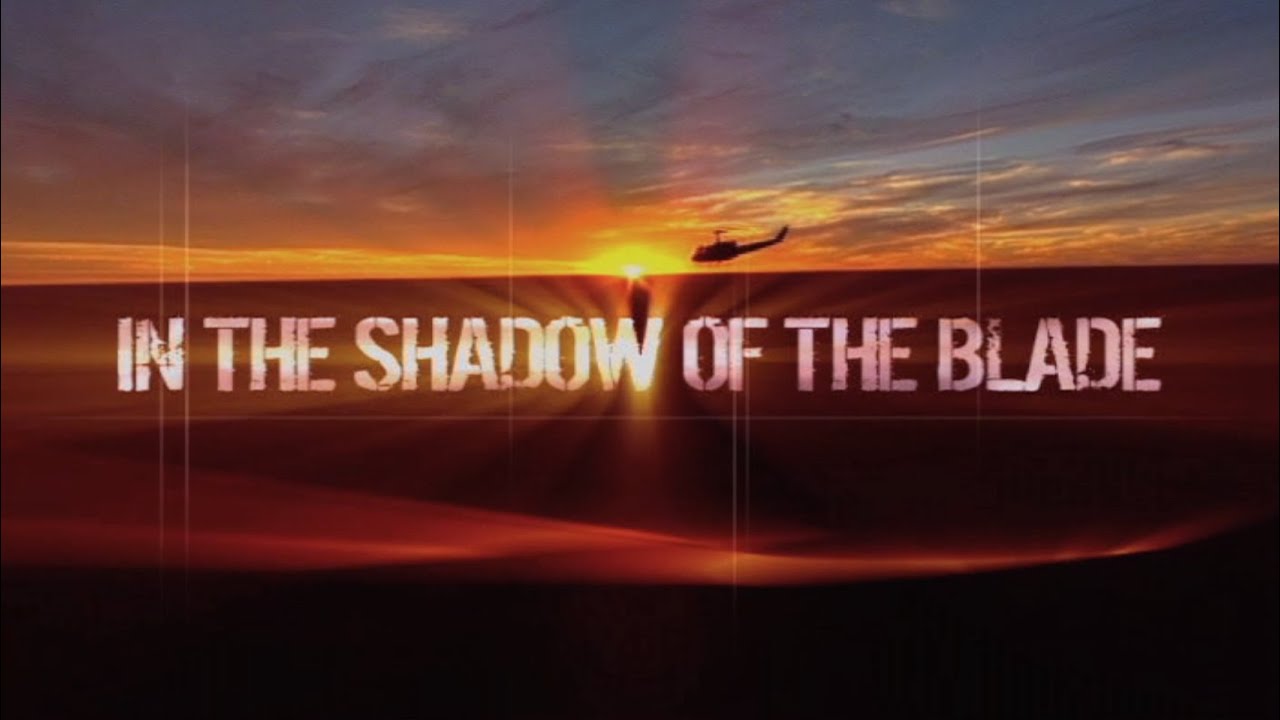
Once, she carried them to war…Strap in, pull pitch, and take your heart for a ride as a restored Vietnam War UH-1H Huey helicopter makes history in a journey across America to hear the untold stories of Vietnam veterans and their families. As she lands in backyards and farmyards “Huey 091” – now in the Smithsonian Museum of American History – becomes a powerful catalyst for emotional healing, reconciliation, and tribute as veterans share, reflect, and demonstrate to the world that one can “hate war, but love the American warrior.”
In the Shadow of the Blade features Vietnam War legends like General Hal Moore and combat journalist Joe Galloway, as well as lesser-known heroes like Army Silver Star infantryman James H. Johnson and wounded veteran U.S. Marine Henry Padilla, combat nurse Donna Rowe and “Baby Kathleen,” and a host of other remarkable Americans who performed extraordinary feats in a far-away and controversial war. Broadcast on the Discovery Military Channel and winner of numerous awards including Worldfest International Film Festival’s “Best of Show” and a Vietnam Veterans of America President’s Award, In the Shadow of the Blade explores how courage, loyalty, patriotism and love are enduring forces even in the face of war and its shadowy aftermath. This is one of those documentary films that you’ll never forget.
About the
Film
In the Shadow of the Blade is an award-winning independent documentary produced by Arrowhead Films of Austin, Texas. The film follows the cross-country journey of a restored Vietnam War UH-1 Huey helicopter to capture the stories of people affected by the war three decades after its end.
As an experienced aerial cinematographer, Director Patrick Fries knew that a special connection existed between Vietnam veterans and the iconic UH-1 “Huey” helicopter. His vision to fly a restored Huey across America and give veterans one more chance to fly in the machine that once carried them in war became the emotion-packed documentary In the Shadow of the Blade.
Landing in backyards and farmyards across eight states, “Huey 091” became a catalyst for healing and reconciliation as soldiers and citizens came to pay tribute to a generation of veterans who had served, fought, and sometimes died in a controversial war. Every flight carried war veterans and families in the hold with Vietnam helicopter pilots in the left seat. From its liftoff in Fort Rucker, Alabama, where Huey pilots trained before going to war, to its final landing zone in Angel Fire, New Mexico, where the first Vietnam War memorial was built, In the Shadow of the Blade brought people together with a machine of war on a journey of peace.
Before the mission pulled pitch, Creative Director Cheryl Fries conducted hundreds of hours of interviews with Vietnam veterans, then used what she’d learned to create a blueprint for the documentary which emphasized diversity of experience, accuracy, and the importance of paying honor and tribute to those who had served and died in the war. With the help of producer Mita Gosdin, she worked with volunteer Landing Zone Coordinators across the route to guide the film crew as it made its cross-country mission.
Four Vietnam War veterans volunteered as participants on the crew. Vietnam helicopter pilot Gary Roush, historian for the Vietnam Helicopter Pilots Association, served as the film’s historian, verifying the service records and stories shared in the documentary. Vietnam helicopter pilot Bob Baird, a commercial airline pilot, coordinated filming logistics. Vietnam helicopter pilot Mike Venable, also a commercial airline pilot, assisted as a safety coordinator. Vietnam helicopter crew chief Bill McDonald served as a veteran chaplain counselor. Though not Vietnam veterans, Bruce LeMoine, an Army reservist, helicopter flight instructor and commercial airline pilot, served as the mission Aircraft Commander, and Jim Palmersheim, an Army veteran and commercial airline pilot, helped raise funds. Commercial helicopter pilot Ray Asgar flew the companion cinematography Jet Ranger.
Though the film mission received help from corporate sponsors, much of the mission’s support came from veterans, families and citizens along the way, who donated lodging and food for the crew, fuel for the aircraft, and bought t-shirts that veteran wives Rose Baird and Cindy Venable carried to each landing zone. As the filming mission traveled across the country, this grassroots support contributed to a growing sense of community for all who participated in seeing the film to completion.
In the Shadow of the Blade premiered at the Lyndon Baines Johnson Presidential Library on Veterans Day weekend in 2003, before an audience of 1,100 people who had come from all over the nation for the event. It was acquired by Discovery Communications and nationally broadcast on the Military Channel, and won Best of Show and Gold Documentary at the 2004 WorldFest Film Festival. It received a Vietnam Veterans of America President’s Award, and was described by the Library of Congress Veterans Forum as delivering “a gold standard for accuracy, insuring that the real experience, as opposed to the Hollywood cliche, is documented for posterity.” Because of her In the Shadow of the Blade mission of healing and reconciliation, the Smithsonian Museum of American History chose Huey 091 to represent the Vietnam War in its permanent exhibit “The Price of Freedom: Americans at War.” From the helicopter’s hold, a monitor shares excerpts from the film, including an interview with General Hal Moore describing the importance of the Huey to his cavalry operations in Vietnam.
The Story
In the Shadow of the Blade is an award-winning independent documentary produced by Arrowhead Films of Austin, Texas. The film follows the cross-country journey of a restored Vietnam War UH-1 Huey helicopter to capture the stories of people affected by the war three decades after its end.
As an experienced aerial cinematographer, Director Patrick Fries knew that a special connection existed between Vietnam veterans and the iconic UH-1 “Huey” helicopter. His vision to fly a restored Huey across America and give veterans one more chance to fly in the machine that once carried them in war became the emotion-packed documentary In the Shadow of the Blade.
Landing in backyards and farmyards across eight states, “Huey 091” became a catalyst for healing and reconciliation as soldiers and citizens came to pay tribute to a generation of veterans who had served, fought, and sometimes died in a controversial war.
Every flight carried war veterans and families in the hold with Vietnam helicopter pilots in the left seat. From its liftoff in Fort Rucker, Alabama, where Huey pilots trained before going to war, to its final landing zone in Angel Fire, New Mexico, where the first Vietnam War memorial was built, In the Shadow of the Blade brought people together with a machine of war on a journey of peace.
Before the mission pulled pitch, Creative Director Cheryl Fries conducted hundreds of hours of interviews with Vietnam veterans, then used what she’d learned to create a blueprint for the documentary which emphasized diversity of experience, accuracy, and the importance of paying honor and tribute to those who had served and died in the war. With the help of Associate Producer Mita Hernandez, she worked with volunteer Landing Zone Coordinators across the route to guide the film crew as it made its cross-country mission.
Four Vietnam War veterans volunteered as participants on the crew. Vietnam helicopter pilot Gary Roush, historian for the Vietnam Helicopter Pilots Association, served as the film’s historian, verifying the service records and stories shared in the documentary. Vietnam helicopter pilot Bob Baird, a commercial airline pilot, coordinated filming logistics. Vietnam helicopter pilot Mike Venable, also a commercial airline pilot, assisted as a safety coordinator. Vietnam helicopter crew chief Bill McDonald served as a veteran chaplain counselor.
Though not Vietnam veterans, Bruce LeMoine, an Army reservist, helicopter flight instructor and commercial airline pilot, served as the mission Aircraft Commander, and Jim Palmersheim, an Army veteran and commercial airline pilot, helped raise funds. Commercial helicopter pilot Ray Asgar flew the companion cinematography Jet Ranger. Cinematographers Patrick Fries, John Larsen, Dieter Kopff, Richard Gaylord and Jackson Saunders worked tirelessly to catch every moment of 091’s historic journey. Photographer Sarah Beal, daughter of Vietnam veteran Joe Beal, captured the mission’s still photos.
Awards & Reviews
The Producers
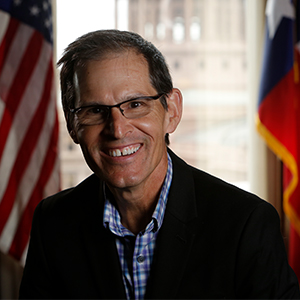

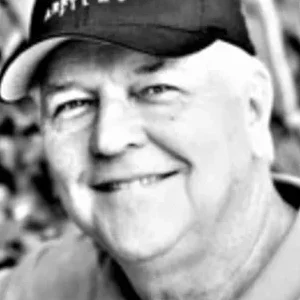
Director Patrick Fries, Writer and Producer Cheryl Fries, and Senior Producer Richard Gaylord, all of Austin’s Arrowhead Films, have produced three award-winning Vietnam War documentary films, and their work on military and veteran programming continues.
In the Shadow of the Blade was conceived out of Patrick’s passion for flying and former high-school teacher Cheryl’s passion for history. As their idea to find, restore, and fly a Vietnam War UH-1 Huey helicopter across America to capture the stories of war veterans came to fruition in a powerful and instructive film, Patrick and Cheryl grew committed to finding ways to use their talents to create other documentaries that could make a difference in helping America understand the men and women who serve.
When the remains of a U.S. Marine who’d been Missing in Action for three decades were identified and scheduled for repatriation and burial, Discovery commissioned Arrowhead Films to produce An Ocean Away: The Donald Matocha Story.
This Telly Award winning documentary captures the ongoing commitment of the United States Joint POW Accounting Command to find and return the nation’s missing servicemen. Director Patrick Fries and Arrowhead Films followed Lieutenant Donald Matocha’s sisters to JPAC headquarters at Hickham Air Force Base in Hawaii to bring their brother home, then took them – and members of Matocha’s combat recon squad – back to the Vietnam mountain where he had died. The poignant meeting of the sisters and Marines with the former enemy soldier who’d aided JPAC’s search resulted in a dramatic coming-to-terms climax for all of them.
Next came A Touch of Home: The Vietnam War’s Red Cross Girls, the story of 627 remarkable young American women who went to Vietnam to work in an American Red Cross troop morale program.
The Fries had first met some of these “Donut Dollies” during filming of In the Shadow of the Blade, and were intrigued by their untold story of being flown to the front lines to play silly games and sing songs with troops in the field. Recognizing that serious themes about war, women, and the changing nature of female roles at the time lay under the surface of the story, Cheryl Fries made her directing debut with this enlightening women’s history documentary that won the GI Film Festival.
In the decade that Arrowhead Films has been documenting stories of people affected by the Vietnam War, a new generation has been called to service, and the Arrowhead team is now in production of a feature-length documentary about the history of Army helicopter medical evacuation known as “Dustoff.”
Director Patrick Fries embedded in Afghanistan’s Helmund Province with a Dustoff unit commanded by Major Patrick Zenk, whose father flew Dustoff missions in the Vietnam War, to capture material for the film which will explore the origins, evolution, and ongoing life-saving mission of the four-person crews who fly unarmed into combat to save the wounded. It is being produced for the United States Army Medical Center for History and Heritage and is now in post-production, with expected release in early 2012.
On the Arrowhead Films hope-to-do list is a documentary about the Vietnam Prisoners of War, which will include the little known story of those captured and held in South Vietnam. Arrowhead is seeking funding for this project, which has been concepted and partially shot. In the meantime, the Arrowhead military storytellers are at work to create a special ten-year anniversary edition of In the Shadow of the Blade, and working to help the Texas Capitol Vietnam Veterans Monument raise the necessary funds to honor the state’s veterans. Arrowhead Films’ commitment to telling the story of America’s heroes continues.
Credits
Director Patrick Fries
Creative Director/Producer Cheryl Fries
Mission Logistics/Field Producer Bob Baird, Vietnam Veteran Volunteer
Mission Historian Gary Roush, Vietnam Veteran Volunteer
Co-Pilot/Safety and Logistics Mike Venable, Vietnam Veteran Volunteer
Veteran Counselor and Chaplain Bill McDonald, Vietnam Veteran Volunteer
Editors
Patrick Fries
John Larsen
Herbert Bennett
Post-Production Supervisor
Herbert Bennett
Assistant Editors
Sarah Beal
Paul Dumas
Cinematography
Patrick Fries
John Larsen
Richard Gaylord
Dieter Kaupp
Jackson Saunders
Kurt Lange
Aerial Cinematography
Ray Asgar
Still Photography
Sarah Beal
Camera Assistants
Courtney Harrell
Adam Schwarz
Alex Newsome
Location Sound
Mac Melson
Fredericko Geib
Audio Post-Production
David Govett
Associate Producer
Mita Gosdin
Field Producers
Fredericko Geib
Scott Peace
Earl Watters
Production Administrators
Mone Musel
Julie Webber
Graphics Design
Sarah Beal
Brian Burrows
Susan Carchedi
Paul Dumas
Aaron Land
John Larsen
Patrick Nolan
Will Swetnam
Logo Design
Patrick Nolan
DVD Authoring
Bryan Russman
Mission Support
Rose Baird
Cindy Venable
Mike Jackson
Mission Flight Director/091 Pilot-in-Command
Bruce LeMoine
Mission Navigator and Fundraiser
Jim Palmersheim
Punta Gorda Pilots/Five-O-Deuce
Bob Carr
John Lipski
Tupelo Pilot
Barron L. Goff
Historical Accuracy
Gary Roush
Clifford Snyder, National Archives
National Personnel Records Center, St. Louis, Missouri
Legal Counsel
Fletcher Brown
Matthew Burr
Jeremy Levine
Kjehl Rasmussen
Subject Matter Expertise
Gary Roush
Ernest Sylvester
Marty Hauer
Website
Will Swetnam
David Avilla
Paul Dumas
Cheryl Fries
Interns
Nicole Haddad
Brian Ramirez
Musical Score
David Govett
George Oldziey
Theme Song
Written and performed by Rodney C. Riley
Music by
Ken Brothers
Stan Denman
Ernie Dogwolf Lovato
Fidel Gonzalez
Tony Grigsby & The Lanny Rose Band
Quincy Harper
Sarge Lintecum
Joe Richardson Express
Suzie Stern
Music Clearance
Kjehl Rasmussen
UH-1 Helicopters provided by
Charlotte County Sheriff’s Department
Mississippi National Guard
Texas Air Command Museum
Cinematography Jet Ranger
CFC Aviation
Veteran Travel
Southwest Airlines
Insurance
Falcon Insurance
091 Restoration
US Helicopter
Special Thanks to
Judy Whitworth
Susan Roush
Pat Flathouse
Audio Restoration of David Settlemire Tapes
Wayne Bell
Archival Materials Provided by
Charles Chatham
Jon Deinlein
Doug Moore
Joe Galloway
Jim Pratt
General Patrick Brady, CMOH
Landing Zone Coordination
LTC James Bullinger
Leilah Ward
Lenny Collins
Art Giberson
Mike Wyman
Bob and Kathy Carr
Chuck Glass
Eric Norber
Ben Dennision
Carolyn Jachens
Ken Doucette
Bruce and Chin McCartney
Charles and Clara Hinson
Brian Ellacott
Patty and Larry Hancock
Mayor Bob Young
Patricia Bucholtz
Kim Douglas Sistrunk
Major Mark Stevens
Randy Jones
Larry and Tamara Castagneto
Len Mallick
Tom Crull
John and Anne Flanagan
Edward Banville
Giancarlo Newsome
Jim White
Larry Shatto
Mario Sosa
Don Dorsey
Joe Beal
John Gosdin
Keith and Julia Bodine
Jerry Turner
Jim Morrical
Craig Hannah
Earl and Vicki Watters
Robert Frost
Dan Gower
Location thanks to
The United States Army
Fort Rucker, Alabama
City of Pensacola, Florida
Florida Vietnam Helicopter Pilots Association
Pan Am International Flight Academy
Embry Riddle University
City of August, Georgia
Fort Gordon, Georgia
City of West Point, Mississippi
City of Carthage, Mississippi
Fort Polk, Louisiana
City of Radcliff, Kentucky
City of Athens, Alabama
Bell-Textron
Central Texas College
City of Austin, Texas
Lower Colorado River Authority
First United Methodist Church, Pasadena, Texas
Slaton Municipal Airport
City of Rio Rancho, New Mexico
Angel Fire Vietnam Veterans Memorial
West Texas A&M University
Fort Sam Houston, Texas
Produced by Arrowhead Films
Funding and Support by
Arrowhead Films
DynCorp
Army Aviation Association of America
Bell Helicopter
Herb Kelleher Foundation
Cary McNair
Mike Novogratz
Omni Shoreham
Columbia Helicopters
Bank of America Military Bank
Synectics
AMBUCS
APA
Pan Am Flight Training Academy
Medex Resources
DUSTOFF Association Members
And hundreds of individual contributors.
Distributed by Arrowhead Films. TM and (C) 2004. Arrowhead Film and Video. All Rights Reserved.
Buy the DVD
or Stream Online
In the Shadow of the Blade DVD – $29.99
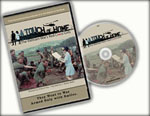
A Touch of Home DVD – $19.99

In the Shadow of the Blade & A Touch of Home DVDs – $39.99
BULK ORDERS: Wholesale prices are available for bulk orders.
Contact us for more information.
Host a
Screening
We encourage the use of In the Shadow of the Blade to educate audiences about and pay tribute to Vietnam War veterans and their families. This guide is intended to provide general advice to your organization in order to help you maximize your screening.
The film screens on DVD. Once the DVD is purchased, there is no additional cost for public screenings of In the Shadow of the Blade by non-profit or educational organizations. For- profit and political organizations will be assessed a $250.00 fee for each public screening.
If you would like to sell DVDs to help raise funds for your organization, please contact us.
We are happy to provide you with several downloadable tools to help promote your screening, including a discussion guide, a sample press release, a customizable movie poster, and a logo. Additionally, we’d like to offer some suggestions to help your screening go smoothly.
Step 1: Establish Screening Goals
Decide the goals you have for your screening. Is it to pay tribute to your community’s veterans? To honor a special event, such as Memorial or Veterans Day? To educate an audience or increase your membership? Your goals will help you define your potential audience and other activities associated with your screening.
Step 2: Find a Venue
You will want to find an appropriate place to hold your screening based on your desired outcomes, the size of your anticipated audience, and the quality of sound and projection. The ideal location offers high-quality audio and video (DVD) projection in a room that can be darkened. Some movie theaters offer rentals for special events. Look at your community’s schools, colleges and even churches as well; many have auditoriums and are happy to accommodate these types of educational events. Non-performance meeting spaces, such as a VFW hall, might work if the room can be darkened and you are able to arrange high-quality projection and audio playback equipment. Be sure that you will have comfortable seating, an area that can be reserved for VIPs, and wheelchair accessibility.
Step 3: Plan Your Event
Once you have found an appropriate venue and set the date and time of your screening, you should think about other associated activities that meet your goals. Some ideas to consider:
Invite a veteran or a leader from your community to deliver opening remarks.
Ask a Scout group or other organization to post the Colors before the movie.
Invite a panel of local veterans to participate in a post-show Q & A.
Use the screening as an opportunity to honor a local hero.
We encourage you to plan your screening in a way that meets your goals and provides a meaningful experience for your audience. Out of respect for our veterans and the families of the fallen, we do ask that you provide an appropriate sense of dignity and decorum.
Step 4: Publicize Your Event
Now that you have a program, and a date, time and place, it’s time to spread the word. Ticketing your event will help you keep track of expected attendance, and, if you are raising funds for your organization, allow you to collect money. Many online services like Eventbrite now offer free ticketing and event organizing services. Once this is established, download the sample press release to send to your local newspapers and television and radio stations. (Be sure your spokespeople are prepared to talk with the media.) You should also consider sending your release to schools, veteran organizations and other community groups for inclusion in their newsletters. And be sure to email it to your members, with an invitation to forward. Your venue and your ticketing service may also help you spread the word, as will social media.
Step 5: Hold Your Event
As you set up for your event, you might consider:
Your Master of Ceremonies should be prepared to introduce dignitaries in the audience. We also recommend that all Vietnam veterans be asked to stand during introductory comments. Be sure to remind the audience to turn off their cell phones, and that video and audio recordings of the film are prohibited.
If you would like to talk to others who have coordinated successful screenings, or need more information, please contact us. And be sure to log into our blog and let us know about your screening so we can help you get the word out. We wish you all the best for a successful event!
Teacher's
Guide
Information for Teachers
Dear Teacher,
When they were not much older than your students, some 3.2 million young Americans were sent to Southeast Asia to take their part in the Vietnam War. Three decades later In the Shadow of the Blade undertook an effort to learn what had become of the veterans of that brutal, controversial war that lasted nearly ten years, killed more than 58,000 Americans, and left the nation divided. An iconic symbol of the war—a UH-1 “Huey” helicopter—was restored, then flown on a 10,000 mile journey across America to carry war veterans and families as a catalyst for collecting their untold stories and reflections.
The experience of being reunited with the machine that had last carried them to war was evocative for the veterans, many of whom had kept their experience silent in a country that had turned against both them and their war. When we asked them the simple question “what does the Huey mean to you?” they answered with powerful stories that capture a wide range of emotions and perspectives.
In the Shadow of the Blade offers your students an opportunity to see into the world of a war and its veterans, not from the traditional standpoint of battle maps, geo-political considerations, or dry recitations of dates and statistics, but from the very real, very human perspective of those who lived it. Infantry soldiers, helicopter crew members, nurses, Prisoners of War—all are represented in this collection of ordinary Americans who served the United States of America in its Vietnam War. Many performed extraordinary feats of valor and endured horrific hardships, and many others paid the ultimate sacrifice, leaving loved ones who still mourned for them decades later.
Though this film is particular to Vietnam veterans, many universal themes of war emerge: the enduring power of love to overcome adversity, the unflagging allegiance between soldiers in a combat zone, the triumphant endurance of the human spirit. Your students will see the lifelong shadow the war cast on the men who fought it, but they will also observe a deep and enduring pride among those who were called upon at a very young age to put their lives on the line for their country. Bonded by that experience in a nation that did not welcome them as heroes, many Vietnam veterans have found In the Shadow of the Blade to be a form of long overdue tribute.
This study guide offers a number of suggestions for ways you can incorporate the film into your social studies or language arts classroom. It includes a viewing guide to help focus students’ attention, a discussion guide, a further studies resource list, and suggested research projects that incorporate a “real-world” tribute project and a powerful personal connection between your students and their nation’s veterans.
The In the Shadow of the Blade study guide was developed with the assistance of master teachers Rebecca Stucky and Sandra Coker of Westlake High School in Austin, Texas. Their use of the film in conjunction with a study of Tim O’Brien’s novel The Things They Carried has evolved into an online collection of student tributes to our nation’s Vietnam War fallen. This impressive collection of student work that helps capture the history of our nation’s veterans can be seen at this website they have created. Many of these students have also contributed to the lasting tributes on The Virtual Wall.
You can use the film in its whole, or choose particular episodes to show your students. Whether you use In the Shadow of the Blade as part of a historical unit of study or as enrichment to literature, you can be assured that every participant whose oral history is included in the film was fully vetted through an exhaustive process that included review of official military records. The stories in this film are true, and they really happened to the people who tell them.
We hope that In the Shadow of the Blade will help your students make an authentic and lasting connection with those who served, fought and died in the Vietnam War. Should they have the opportunity to visit our nation’s capitol, they will find the film’s “star,” UH-1 091, permanently displayed in the Smithsonian Museum of American History, representing the Vietnam War in the military history exhibit “The Price of Freedom: Americans at War.”
We invite you and your students to share your ideas, projects and impressions on our blog and our on the In the Shadow of the Blade Facebook page so that our veteran community can see your work.
We wish you a successful and rewarding unit!
NOTICE OF EDUCATIONAL PURPOSE PERMISSION:
Arrowhead Films permits public screening of In the Shadow of the Blade by educational institutions for educational purposes. The film is available on DVD for purchase. A school may use the DVD for classroom or group viewing. DVDs may not be reproduced without permission. Printed materials may be reproduced for educational use. The online educational guide is provided for download at no charge.
IN THE SHADOW OF THE BLADE SUGGESTED UNIT OF STUDY
This unit will provide students with the opportunities to use non-fiction film, text, and primary and secondary source information to analyze information, synthesize content, make inferences, and draw conclusions as they produce a source-cited research product. It is designed to work well for history or English students at the secondary level. It assumes that students will have some prior basic knowledge about the Vietnam War.
If you can do so, inviting a Vietnam veteran or a panel of veterans to speak to your classes is an excellent learning experience for your students. Many veterans are very happy to do this, and these people can become “teaching assistants” to help your students with their research. See the below section “Vietnam veteran speakers” for suggestions.
A suggested approach is:
1. Use the short non-fiction reading “The UH-1 Helicopter: Icon of the Vietnam War” to help students understand the significance of the Huey helicopter. Check for comprehension using the five-question reading check.
2. Give each student a copy of the viewing guide as they view the film. The discussion guide will also work for this purpose, depending on your particular learning objectives.
3. After the class has finished viewing the film, use the viewing guide or the discussion guide as the framework for a whole class or small group discussions. End the discussion with an introduction to the research project.
4. Conduct the research project. Two research project options are offered: “The Stories Behind The Names” and “Background Vietnam.” You might allow students to choose, or make the assignment yourself, depending on your classroom objectives. Both are designed to get students involved more deeply in the subject; to build their research, writing and presentation skills; and to allow them—through oral presentation—to teach their peers. These activities can be executed through traditional and formal research papers or through multi-media presentations. “Background Vietnam” is more appropriate for traditional research, as more information will be readily available to students for longer paper requirements. The “Stories” option is an excellent multi-media project, and will inherently lead to a more personal connection for the student. Either can be accomplished individually or in small groups.
5. There are many ways for your students to share highlights of their work. They can present to the class, post a synopsis of their work on The Virtual Wall, or share with the In the Shadow of the Blade project through its website or Facebook page. If you have partnered with a Vietnam veteran or group of veterans, consider inviting them to see the presentations. Knowing that their work will have a wider audience than just the teacher is often a great motivator to encourage students to do their best work!
Vietnam Veteran Speakers in the Classroom
Inviting a Vietnam veteran or a panel of veterans to speak to your classes is an excellent learning opportunity for your students, and one which many veterans are happy to provide.
Where To Find Veterans
If you don’t know anyone personally, check with your community’s Veterans of Foreign Wars chapter, Vietnam Veterans of America chapter, Disabled American Veterans or Military Order of the Purple Heart Chapter. Organizations such as the Vietnam Helicopter Pilots Association can also help.
Preparing Your Speaker
It will be helpful to your speaker to tell him or her a little about your classes, such as their age range and what they have been studying. Provide as much information as you can about your goals for the session. Be sure to ask him or her to bring visuals—photographs that can be projected, uniforms, medals—these are the things that help bring the story to life for the students. (Be sure to remind them about weapons policies at your school, which might not allow even historic, unarmed weapons.) Be sure to give your speaker(s) information about where to park and check-in or other policies at your school.
Prepare Your Students
Tell your students that a veteran or veterans will be volunteering time to help them learn about their experiences and to answer questions. Establish clear expectations about the need to demonstrate respect for this person’s history as a one who has served the country in war. Students may be naturally curious about things that are uncomfortable for some veterans. For example, “how many people did you kill?” or “do you have PTSD?” are not appropriate questions, but “how do feel your war experience has affected your life since? is.
Be Present
Your speaker does not have your experience with your students, and likely has limited experience before an audience of any kind, particularly adolescents. It is important that you participate as both a guide and, if necessary, an intermediary to ensure that the discussions stay on topic and that students who might “act out” are reigned in promptly. Moreover, you will not want to miss this: what a wonderful learning experience this will be for both you and your classes!
Discussion Questions
In the Shadow of the Blade Focused Viewing Guide
Answer these questions as you watch the documentary to help you focus your viewing.
1. The Huey helicopter was the utility helicopter of the Vietnam War. Find three examples of veteran stories that illustrate the different ways the Huey was used in the war.
a.
b.
c.
2. Find two examples of stories that illustrate allegiance between soldiers.
a.
b.
3. Find two examples in the film that illustrate the war’s lasting impact on veterans.
a.
b.
4. Find two stories that illustrate the war’s impact on military families.
a.
b.
5. Note three conclusions you draw about Vietnam veterans from watching the documentary, and provide an example that backs up your conclusion.
Conclusion Example
a.
b.
c.
In the Shadow of the Blade Discussion Guide
1. Why do you think the Huey helicopter was such a powerful catalyst for the veterans?
2. What is your overall impression of Vietnam veterans after seeing this movie?
3. What story or stories did you find particularly moving or instructive?
4. The word “hero” is often used to describe military veterans. Which of these people illustrates that description to you and why?
5. What lessons do you think this film has for us as a nation?
Reading Assignment
The UH-1 Helicopter: Icon of the Vietnam War by Cheryl Fries
“We rode to war in a Huey, and that whop-whop-whop is burned into our brains.”
– General Harold Moore, commander, Battle of Ia Drang
Every modern war has its icon, the technological development essential to the conflict, the one that changes the course of battle and becomes, ever after, symbolic of the time. The Civil War’s cannon, World War I’s machine gun, World War II’s tank — each left its mark on the landscape and the soldier. Vietnam’s icon was the helicopter, specifically the UH-1 utility helicopter soldiers referred to as “the Huey.”
The geographic and political realities of Vietnam called for a new kind of warfare, one the U.S. Army termed “Airmobile.” Remote battle zones, mountains topped in old-growth hardwood jungles, and poorly developed roads eliminated motor vehicles as a means of quickly moving masses of troops and supplies. Helicopters took over. In Airmobile warfare, flocks of helicopters took troops and supplies to strategic locations, monitored operations from the air, engaged in battle, and evacuated forces. The famed U.S. Army 1st Cavalry joined aviation units already in Vietnam to pioneer Airmobile operations, trading its horses for helicopters and creating an archetype followed by the 101st Airborne, the 1st Aviation Brigade, and several other aviation units and smaller detachments.
Many helicopters were used in Vietnam, but none was as widely employed as the Huey. The UH-1 “Iroquois,” popularly dubbed the Huey, is known as “the workhorse of the Vietnam War,” used by all military forces for troop transport, medical evacuation, and combat assault. Hueys transported soldiers and supplies to the lines as the horses for a modern cavalry. The U.S. Army and Marine Corps made them into gunships, modifying them with machine guns and air-to-ground rocket pods and putting them to work in frontal assaults. Hueys carried officers to develop battle plans, soldiers to battle, nurses to orphanages, and “Donut Dollies” to entertain troops. Outfitted with broadcasting systems, they ferried Psychological Operations (PSYOPS) messengers. And, perhaps most significantly, Hueys were the technology behind “Dustoffs,” evacuations of the wounded so-named by a pilot who gave his life doing it. The ability to swoop into the battle, load the Huey with wounded, and fly to evacuation hospitals, started in Korea and refined in Vietnam, has been called “one of the major medical innovations of the Vietnam War.” This quick transport meant that more than 90 percent of wounded soldiers who reached a medical facility survived. The medical evacuation technology gained in the Huey experience of Vietnam came home to become the air rescue operations we today take for granted.
The Huey is an enormously versatile helicopter, easily modified for various missions. The interchangeable interiors of the Huey allowed for easy conversion from troop carrier to ambulance. It was also an amazing machine, capable of flying in extreme stress and relatively easy to get in and out quickly–a feature crucial in troop extraction and rescue missions. Those who flew and maintained them, the pilots and crew chiefs, are fiercely loyal to the Huey, even though many have flown many other aircraft.
More than 7,000 Huey helicopters served in Vietnam and nearly half were lost. 2,177 Huey crew members were killed in action. Because the Huey was always there for them, for soldiers on the ground, the distinctive WHOP WHOP of the Huey’s 48-foot rotor blades slapping the air was the sound of their lifeline.
Cheryl Fries, In the Shadow of Blade. www.intheshadowoftheblade.com. 2012.
The UH-1 Helicopter: Icon of the Vietnam War Reading Comprehension Questions
1. What is the best synonym for the word “icon” as it is used in the first paragraph?
A. helicopter
B. symbol
C. aircraft
D. tool
2. Which list best describes the conditions that necessitated the use of the helicopter in Vietnam?
A. strategic operations, supply routes, troop movements
B. large rivers, vast shoreline, marshy rice paddies
C. dense jungles, remote battle sites, bad roads
D. rapid transport, medical evacuation, soldier resupply
3. What name was given to helicopter ambulance missions?
A. Dustoff
B. PSYOP
C. Donut Dollies
D. Cavalry
4. Read the sentence below, then answer the question.
The interchangeable interiors of the Huey allowed for easy
conversion from troop carrier to air ambulance.
Which of these is the best category for this fact?
A. Safety features of the Huey
B. Huey crew members
C. Versatility of the Huey
D. Effects of the Huey on the enemy force
5. What can be inferred from the last paragraph?
A. Flying a Huey in Vietnam was dangerous work.
B. The Huey helicopter was extremely versatile.
C. Other helicopters were safer than the Huey.
D. Most military personnel preferred a motor vehicle to a Huey.
Research Projects
Overview
Two research project options are offered here: “Background Vietnam” and “The Stories Behind the Names” so you can tailor the assignment to your students’ abilities and interests. Both choices are designed so your students can create a multi-media product for presentation to the class. A grading rubric is included at the end.
____________________________________________________________________________
In The Shadow of The Blade Research Project: Background Vietnam
You are the teacher! Choose a sub-topic below or have one of your own approved, and become a “subject matter expert.” Create a multi-media presentation for class presentation. Date due:____________________________________.
The Hanoi Hilton Operation Babylift
The Battle of the Ia Drang Lam Son 719
Hamburger Hill Khe Sahn
War dogs in Vietnam Swift Boats
Gulf of Tonkin incident Vietnam war technology
Ho Chi Minh Trail The Navy Seawolves
The USO in Vietnam Special Forces in Vietnam
Operation Rolling Thunder Montagnard tribes in the war
Dustoff Military medics
The Purple Heart The Congressional Medal of Honor
Vietnam nurses Hospital ships
Red Cross Donut Dollies Gold Star Mothers
Navy SEALS in Vietnam PSYOPS (propaganda)
POW bracelets The Battle of Hue
The Tet Offensive Helicopters in Vietnam
The Vietnam Veterans Memorial Agent Orange
____________________________________________________________________________
Background Vietnam Multi-Media Requirements
Final project must include:
- At least 10 slides, including:
- A title slide
- A thesis slide
- Supporting information
- Appropriate graphics
- Complete Works Cited slide
- Optional but encouraged: music, audio, art
- 2. Information from at least three written sources. One must be a first-person (primary) source.
- 3. Internal notations for quoted material.
Remember:
Text is the “meat and potatoes.” Audio and graphics are the salt and pepper. Concentrate on facts first and spices as flavor.
Do not overuse special effects, colors, mixed fonts and gimmicks which can often distract the audience.
Be sure your text is readable. Make sure fonts are large enough and stand out against backgrounds.
Do not type too much on one slide.
Pay attention to Fair Use Guidelines. Cite your sources, including photographs.
Practice your presentation before you give it! Multi-media is a way to support an oral presentation. Do not read to your audience; tell them a story. Use your slide show to support your story. Elaborate!
_____________________________________________________________________________________
TEACHER GUIDE: In The Shadow of The Blade Learning Activity:
The Stories Behind The Names
As In The Shadow of the Blade illustrates, behind each name on the Vietnam Veterans Memorial (“The Wall”) is the story of a person who left friends and loved ones behind. This learning activity encourages students to connect with—and perhaps help preserve—those stories in a way that will have lifelong meaning for them and others.
- Students select the name of an American killed in Vietnam, either through In the Shadow of the Blade, through personal knowledge, or through Internet listings (www.virtualwall.org) or www.thevirtualwall.org.
- Students research information about the individual, including his or her branch of service, unit, dates of service, military occupational specialty (“job”), family, city, cause of death, and another information that brings the veteran “to life.” Factual information related to the war (places, battles, roles) should be included.
- Students create a history of the person, ideally including written and graphic components. Students should also be encouraged to create a personal tribute. This project is ideally presented in a multi-media slide show, but can also be an opportunity for students to use their artistic skills in other media.
- The final product is presented to the class and, if appropriate, to the Virtual Wall, or to the family. Students should be advised that, should they have the opportunity to visit the Vietnam Veterans Memorial, they can leave their tributes, which are collected nightly and stored by the National Archives.
Note: This is a great opportunity for young people to use their individual talents. Those who can write poetry, compose songs, paint, draw, etc. should be encouraged to use their talents in this project.
_____________________________________________________________________________________
In The Shadow of The Blade Learning Activity:
NAME:_________________________________CLASS:__________________
The Stories Behind The Names
As In The Shadow of the Blade illustrates, behind each name on the National Vietnam Veterans Memorial (“The Wall”) is the story of a person who left friends and loved ones behind. This learning activity encourages you to connect with—and perhaps help preserve—those stories in a way that will have lifelong meaning for them and others.
- Select the name of an American Killed In Action (KIA) in Vietnam, either through In The Shadow of The Blade, through personal knowledge, or through Internet listings (www.thevirtualwall.org).
2. Research information about the individual, including his or her branch of service, unit, dates of service, military occupational specialty (“job”), family, city, cause of death, and another information that brings the veteran “to life.” Factual information related to the war (places, battles, roles) should be included.
3. Create a history of the person, including written and graphic components in a multi-media presentation, according to the requirements.
Final project must include:
At least 10 slides, or an original artistic creation, including:
- A title
- A thesis
- Supporting information
- Appropriate graphics
- Complete Works Cited
- Optional but encouraged: music, audio, art
Information from at least three written sources. One must be a first-person (primary) source.
Internal notations for quoted material.
4. Present your final product to the class and, if you choose, to the Virtual Wall and/or the family. Should you ever have the opportunity to visit the National Vietnam Veterans Memorial, you can leave your tribute and it will be collected and stored by the National Archives.
Appropriate tone and respect are expected of and required from you at all times during this project.
_____________________________________________________________________________________
In The Shadow of The Blade Learning Activity:
Multi-Media Project Rubric
STUDENT’S NAME:______________________________________________________
PRESENTATION TITLE:__________________________________________________
Required slides 10 points ___________
Consistent background 10 points ___________
Readable font 20 points ___________
Substantive content 35 points ___________
Visual enhancements 15 points ___________
Reflects serious work/
Professional look 10 points ___________
Total points earned 100 points ___________
Vietnam War Resources For Learning
In the Shadow of the Blade producers recommend…
The Virtual Wall. An online replica of the National Vietnam Veterans Memorial including tributes and personal stories of the war dead, with multiple search options.
The Vietnam Veterans Memorial. Among other features, includes writings by veterans and families, casualty summaries, and information about POW bracelets in addition to information about the memorial.
The Vietnam Helicopter Pilots Association. An online repository of information about helicopter warfare in Vietnam, including first-person accounts which have been verified by VHPA historians.
Texas Tech University Vietnam Center and Archive. Searchable online collection of oral history interviews, photographs, audio, and other digital archives. (Also includes an excellent teacher resource page.)
Illyria: Women in Vietnam. Historical information, photographs, and first-person accounts, including poetry and personal essays by women who served in the Vietnam War.
Dustoff Association. War stories, photographs, and factual information about Army helicopter medical evacuation in Vietnam.
Military Order of the Purple Heart. Provides a history of this organization for combat wounded troops, and links to local chapters.
Sons and Daughters in Touch. Tributes and information from the children of military personnel killed in action in Vietnam.
Three’s In: Nam POWs. Website created by former Vietnam Prisoners of War.
Vietnam Magazine. Magazine dedicated to the history of the Vietnam War.
Congressional Medal of Honor Society. Website documenting the nation’s highest military honor.
Note: Many Vietnam War military units and individual veterans have their own websites where veterans share history and photographs. These sites can be rich resources for student research. Teachers are encouraged to guide students in making safe online connections and in properly evaluating source material.
Further Reading
In the Shadow of the Blade producers recommend….
Two books that capture the gritty realities of combat in Vietnam:
We Were Soldiers Once and Young. Harold Moore and Joe Galloway. First-person non-fiction account of the Battle of the Ia Drang that provided the source for the feature film.
Matterhorn. Karl Marlantes. A fictional account of U.S. Marines in I Corps, written by a Marine veteran.
A non-fiction work that develops the contrasting experiences of a generation during the Vietnam War:
They Marched Into Sunlight: War and Peace Vietnam and America October 1967. David Maraniss.
A non-fiction collection of stories of 26 American women who served in the Vietnam War:
A Piece of My Heart. Keith Walker.
A compilation of excerpted readings from all genres:
The Vietnam War Reader. Steward O’Nan, editor.
Family perspectives:
Hero Mama: A Daughter Remembers the Father She Lost in Vietnam and the Mother Who Held Her Family Together by Karen Spears Zacharias (non-fiction)
In Country. Bobbie Ann Mason.
Individual Perspectives:
Heart of a Soldier. James B. Stewart. The story of Vietnam veteran Rick Rescorla, a hero of the Battle of the Ia Drang, who went on to save thousands of lives on 9/11, only to perish himself.
Medal of Honor: One Man’s Journey From Poverty and Prejudice. Roy Benavidez. Powerful autobiography of a poor Hispanic boy from rural Texas who grew up to be a hero as a U.S. Army Special Forces soldier.
Why Didn’t You Get Me Out? A POW’s Nightmare in Vietnam. Frank Anton. Huey pilot Frank Anton’s powerful story of being held prisoner in South Vietnam.
Dustoff: No Compromise! No Rationalization! No Hesitation! Fly the Mission. Steve Vermillion. A Vietnam medical evacuation pilot shares his experience.
Born in Brooklyn, Raised in the Cav. John Flanagan. Huey pilot John Flanagan recounts his experience serving in the famed First of the Ninth Cavalry in Vietnam.
